Getting Married in Alberta
Getting married in Alberta is beautifully straightforward from a legal standpoint, but knowing exactly what to expect will make the process smooth and stress free.
Whether you are planning a mountain ceremony in the Rockies, a modern city celebration in Calgary, or an intimate gathering with close family, understanding the legal framework and practical logistics is the first step toward building a wedding day that feels effortless and meaningful.
Before we get into the details, here’s exactly what you need to know to move forward confidently and legally.
This guide walks you through:
- Legal requirements
- Marriage licence steps
- Costs and documents
- Ceremony rules
- Planning considerations most couples overlook

The Legal Requirements to Get Married in Alberta
Alberta’s marriage process is refreshingly simple.
To legally marry in Alberta:
- Both parties must be at least 18 years old
- Individuals aged 16 or 17 require parental consent
- You must obtain an Alberta marriage licence
- The ceremony must be performed by an authorized officiant
- Two adult witnesses (18+) must be physically present
There are no residency or citizenship requirements. You do not need to live in Alberta to marry here. This makes the province particularly attractive for destination weddings.
How to Get a Marriage Licence in Alberta
Obtaining your marriage licence is straightforward.
You must:
- Visit an Alberta registry agent office together
- Bring valid government issued photo identification (passport or driver’s licence)
- Provide proof of divorce (Certificate of Divorce) if previously married
- Provide a death certificate if widowed
The licence is issued immediately and is valid for three months from the date of issue.
Important: There is no waiting period in Alberta. You can legally marry the same day you receive your licence.
How Much Does a Marriage Licence Cost?
The base government cost is at least $40, but registry agents may charge additional service fees. Most couples should budget slightly higher depending on the location.
Always confirm with your chosen registry office.
Who Can Officiate a Wedding in Alberta?
Your ceremony must be conducted by:
- A registered religious clergy member
- A civil marriage commissioner appointed by the province
Always confirm that your officiant is authorized by Alberta Vital Statistics.
Do You Need Witnesses?
Yes.
Alberta law requires two adult witnesses (18 years or older). They must be physically present during the ceremony and able to understand the proceedings.
If you are eloping without guests, your photographer or planner can often serve as one of your witnesses, provided they meet the legal requirements.

Are There Location Restrictions for Your Ceremony?
There are no provincial restrictions on where you can hold your ceremony, as long as:
- The location is safe
- The officiant agrees to conduct it there
- Any required permits (for parks or protected areas) are secured
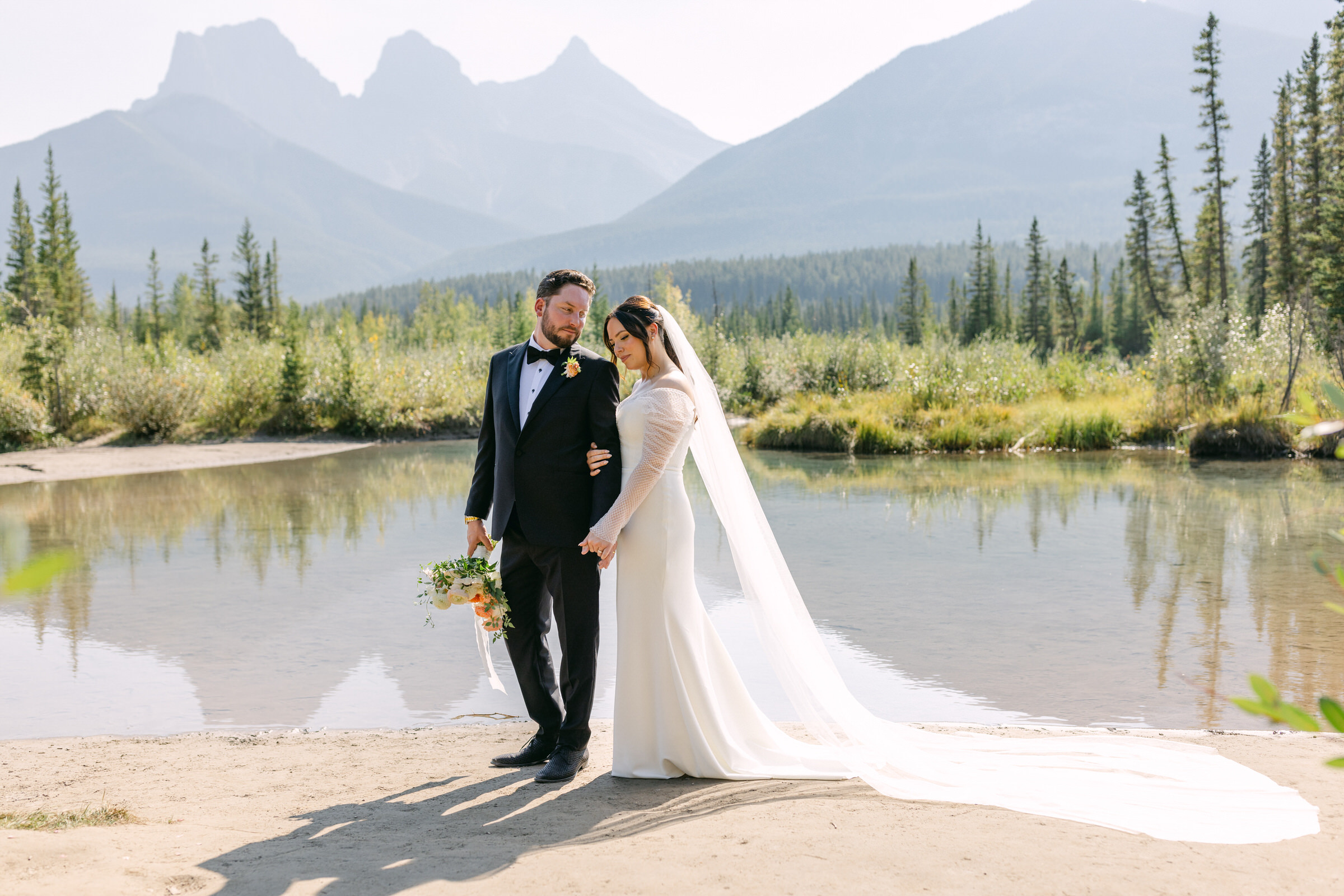
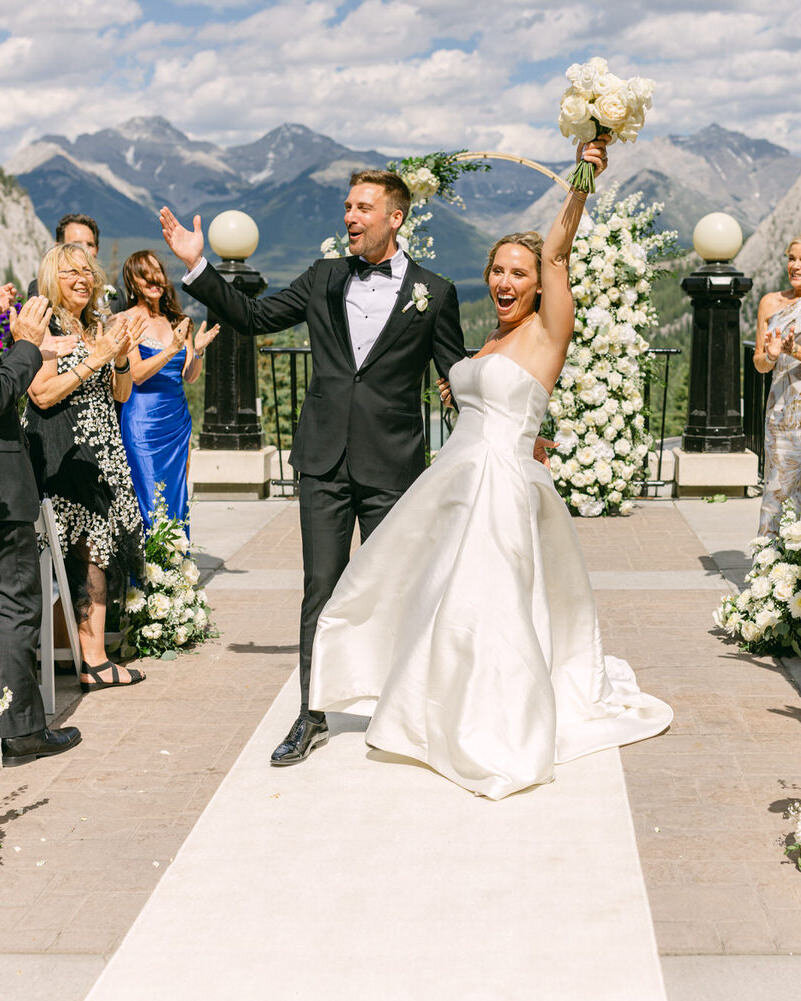
Mountain ceremonies, private estates, hotels, registry offices, and outdoor locations are all possible.
If you are marrying in national parks such as Banff or Jasper, special permits are often required.
Planning Considerations Most Couples Overlook
The legal side is simple. The experience side is where intention matters.
Timing Your Licence
Do not get your licence too early. It expires after three months. Plan it close enough to your wedding date so you do not risk expiry.
Weather in the Rockies
If marrying in mountain locations, understand that:
- Lakes remain frozen into late spring
- Wind at high elevations can be intense
- Parking at popular lakes can be unpredictable
Buffer time in your schedule protects the experience.
Build a Thoughtful Timeline
Alberta weddings, especially mountain weddings, benefit from a well constructed timeline.
Consider:
- Travel time between locations
- Light at sunset
- Wind conditions for helicopter landings
- Seasonal daylight changes
A well built timeline transforms the day from rushed to refined.
Check out my full Banff National Park Eloping Guide here

Why Alberta Is So Popular for Weddings
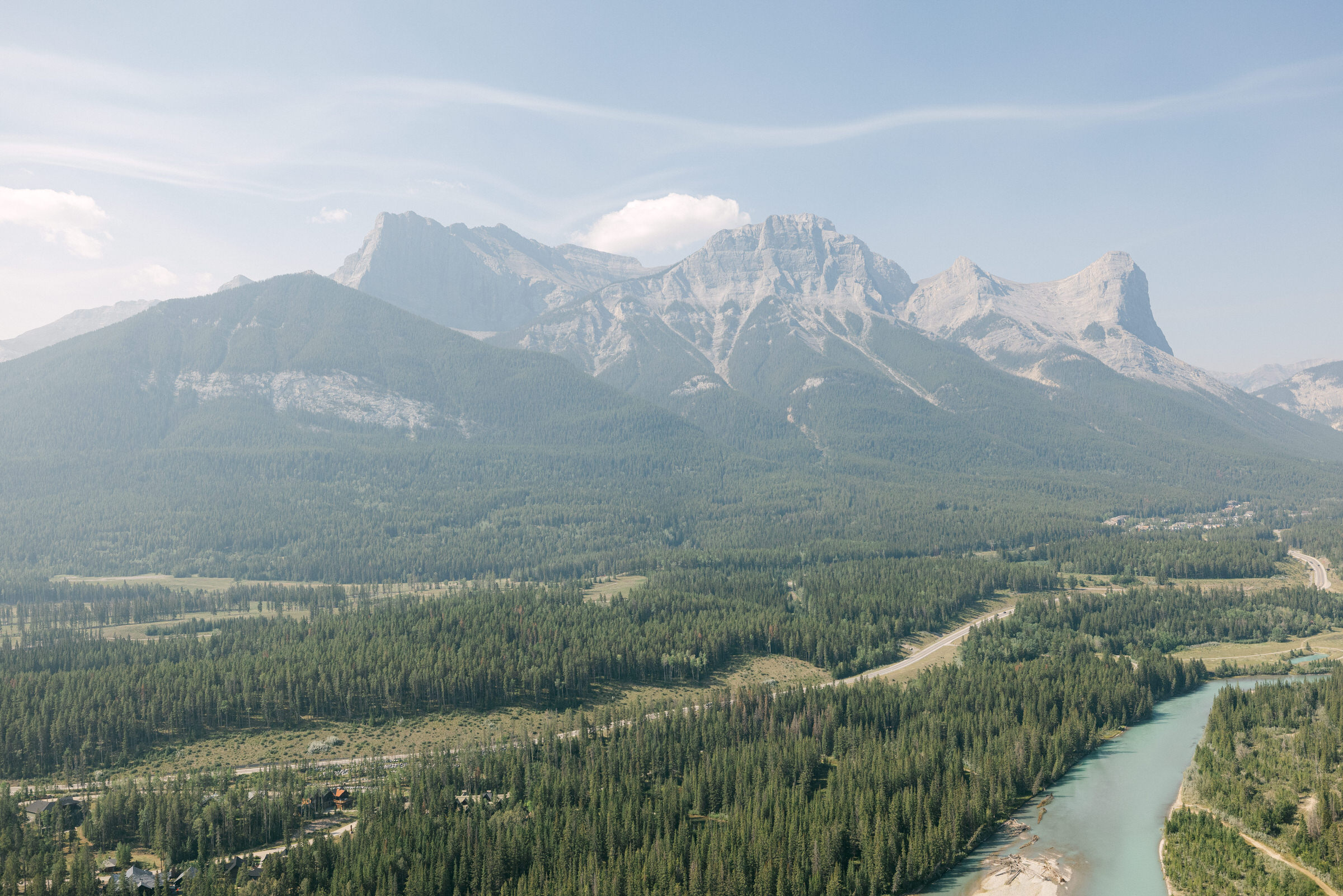
Alberta offers an uncommon blend of dramatic landscapes and accessibility.
You have:
- The Canadian Rockies
- Banff, Lake Louise, and Canmore
- Urban elegance in Calgary
- Lakes, glaciers, forests, and alpine peaks
Few regions in the world offer this combination without complicated marriage laws.
Check out the my Icefields Parkway Elopement Guide to see why so many people travel to the Canadian Rockies to get married.
After the Wedding: How to Get Your Marriage Certificate
After your ceremony, your marriage must be registered.
Once processed, you can order your official marriage certificate through any Alberta registry office. Processing times vary, so check directly with the registry agent.
Final Thoughts
Getting married in Alberta is legally simple and experientially extraordinary.
The paperwork is straightforward. The opportunity to build something intentional, beautiful, and deeply personal is where couples truly invest their energy.
If you are planning a wedding here, focus on:
- Securing your licence properly
- Choosing the right officiant
- Building a thoughtful timeline
- Working with experienced local professionals
When done well, Alberta offers one of the most unforgettable wedding backdrops in the world.
Explore my Banff elopement and wedding photography services here
Frequently Asked Questions About Getting Married in Alberta
Do we need to live in Alberta to get married there?
No. There are no residency or citizenship requirements to marry in Alberta. Couples from other provinces and countries can legally marry here as long as they meet the age and identification requirements.
This is one reason Alberta is so popular for destination weddings.
How far in advance should we get our Alberta marriage licence?
Your marriage licence is valid for three months from the date of issue. It cannot be extended.
Most couples obtain it within 1–4 weeks of their wedding date to avoid it expiring. Do not get it too early, especially if you are planning far in advance.
Can we get married the same day we receive our licence?
Yes.
There is no waiting period in Alberta. Once you receive your licence from a registry office, you can legally marry that same day.
What identification is required to apply for a marriage licence?
Both parties must present valid government issued photo ID, such as:
• Driver’s licence
• Passport
If previously married, you must also provide:
• Certificate of Divorce
• Death certificate of former spouse (if widowed)
Photocopies are not accepted.
How much does it cost to get legally married in Alberta?
The base government fee for a marriage licence starts at $40, though registry agents may charge additional service fees.
You will also need to budget for:
• Officiant fees
• Venue or location permits
• Witnesses (if applicable)
Costs vary widely depending on the type of wedding you plan.
Who can legally officiate our wedding in Alberta?
Your ceremony must be performed by:
• A registered religious clergy member
• A civil marriage commissioner appointed by Alberta
Always confirm your officiant is authorized through Alberta Vital Statistics.
Do we need witnesses for our ceremony?
Yes.
Alberta law requires two witnesses who are at least 18 years old. They must be physically present and able to understand the ceremony.
If you are eloping without guests, your photographer or planner can often serve as a witness.
Can we get married outdoors in Alberta?
Yes. Outdoor ceremonies are legal as long as:
• Your officiant agrees to perform the ceremony there
• The location is safe and accessible
• Required permits are secured (especially in national parks)
Banff and Jasper National Parks often require special event permits.
Are there seasonal considerations for mountain weddings?
Absolutely.
In the Rockies:
• Many lakes remain frozen until late spring
• Wind at high elevations can be intense
• Sunset timing shifts dramatically between seasons
• Popular locations can have significant parking congestion in summer
Working with experienced local vendors helps you avoid common logistical issues.
How long does it take to receive our marriage certificate after the wedding?
After your ceremony, the marriage must be registered. Once processed, you can order your official marriage certificate through any Alberta registry office.
Processing times vary. Contact the registry agent directly for current timelines.
Is Alberta a good location for destination weddings?
Yes, particularly because:
• The legal process is simple
• There is no residency requirement
• The scenery is world class
• Infrastructure is strong in cities and mountain towns
It offers both accessibility and extraordinary backdrops.
What is the biggest mistake couples make when planning to marry in Alberta?
The most common issues are:
• Obtaining the licence too early
• Underestimating travel time between mountain locations
• Not accounting for weather changes
• Failing to secure permits in national parks
Proper planning prevents unnecessary stress.